I fast intermittently not because I enjoy being hungry, and not because I think I have discovered a secret metabolic shortcut. What I like most is the simplicity of the rule.
Most of the time, my practice looks like a 16:8 schedule: roughly sixteen hours without food and an eating window of about eight hours. It is not a contract I sign every morning, though. On some days I shift the window, shorten it or widen it; sometimes I simply eat according to the demands of the day.
I used to describe that variation as a way to “surprise” or “shock” my system so it would not get too accustomed to a routine. As an image, that still describes my instinct not to become rigid. But I am not aware of good evidence showing that an irregular schedule creates a special metabolic advantage or prevents the body from “getting used to” 16:8. So I keep the part of the idea that is useful to me, flexibility, without turning the metaphor into a scientific mechanism.
What 16:8 means for me
Intermittent fasting covers several very different practices. Mine is mostly a form of time-restricted eating. I am not talking here about prolonged fasts lasting several days. I mean a fairly simple daily boundary around the hours in which I eat.
On a typical day, that boundary mostly reduces late-night snacking and the reflex to eat simply because food is available. It also makes me notice the difference between several sensations I once called “hunger”: genuine appetite, boredom, habit, fatigue, a desire for reward or simply an association with a particular time of day.
I find that observation useful. It does not make hunger virtuous and it does not turn a meal into a mistake. It simply gives me a little more information before I decide.
Why I do not want the window to become a prison
I like routines, but I become wary when a routine starts asking me to protect the rule at the expense of the life it was supposed to serve.
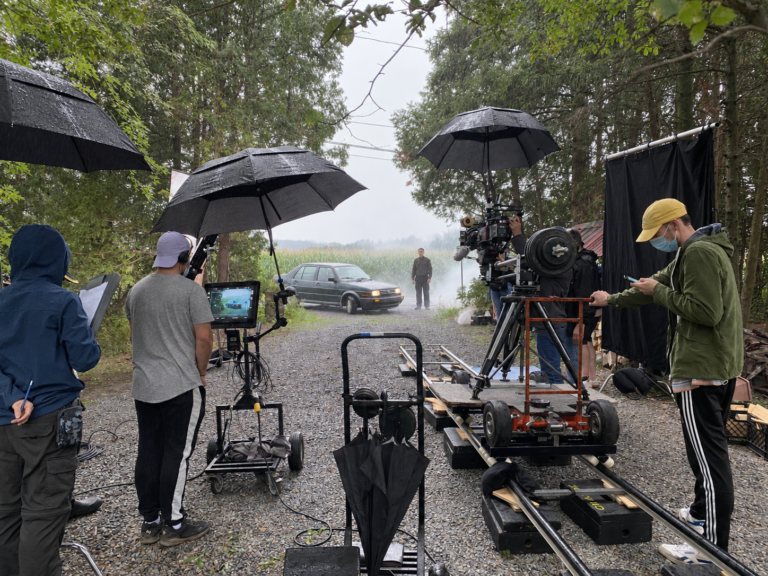
A shooting day can begin very early, finish very late or require a lot of physical energy. A meal with friends or family can fall “outside the window.” A training day may call for a different strategy. In those situations, I would rather adapt the fast than turn a health practice into a superstition.
That is also where alternating the pattern has value for me. Some days are very structured; others are less so. I keep the ability to eat normally without feeling that I have broken something.
That flexibility is a behavioural benefit I can defend from my own experience. It is not a claim that changing the hours “confuses” the metabolism. In fact, many studies of time-restricted eating use relatively consistent windows, and the relationship between meal timing, sleep and circadian rhythms remains an active area of research.
What the research actually suggests
The evidence on intermittent fasting is interesting, but much less spectacular than some online promises.
Trials of time-restricted eating suggest that eight- to ten-hour eating windows can produce modest improvements in certain metabolic markers for some populations. For example, an NIH-supported trial in adults with metabolic syndrome found small improvements in blood-sugar regulation along with reductions in weight and trunk fat after three months.
But trials do not all produce the same results, populations differ and long-term studies remain limited. Some of the benefit may also come from the simple fact that a shorter eating window makes it harder to eat late or continuously, rather than from a magical property of fasting itself.
I therefore do not treat 16:8 as superior to every other reasonable way of eating. It is a structure that suits me and that research makes plausible, not a universal truth.
The connection to my work as an actor
Acting contains a great deal of time that does not really belong to the actor: very early calls, waiting, changing plans, production meals, physical scenes and night schedules. A rigid eating pattern can quickly come into conflict with the work.
Fasting interests me when the structure simplifies my day and helps me pay attention to my signals. It stops being useful the moment it reduces my energy, concentration or ability to do the work safely.
I do not want to arrive on set proud that I protected a fasting window but unable to give the scene what it needs. The body is the instrument; the rule is only a tool.
What I am not trying to do
I am not trying to accumulate fasting hours like points. I do not pursue hunger for its own sake, and I do not see a meal “outside schedule” as a moral failure.
I am also cautious about claims that fasting “detoxes” the body, guarantees longevity, resets hormones or automatically triggers clinically meaningful autophagy at one precise hour. Biology is more complicated than an infographic.
A practice that is not for everyone
Intermittent fasting is not appropriate for everyone. Needs differ for people who are pregnant or breastfeeding, children and adolescents, people with a history of eating disorders, people who are underweight, and some people living with diabetes or taking medications whose safety depends on meal timing.
In those situations, and whenever a health condition or medical treatment raises a question, professional medical advice matters more than a routine found online, including mine.
Why I keep doing it
I continue because 16:8 gives me a structure clear enough to be useful and simple enough not to occupy all of my attention.
And I sometimes vary that structure because I want to keep a flexible relationship with food and with my own rules. If I use the phrase “shock the system” now, I mean it in that sense: interrupting my own automatic behaviour, not claiming to trigger a proven metabolic phenomenon.
For me, fasting works best when it remains exactly that: a tool that creates attention and simplicity, then knows how to disappear when life asks for something else.
More from this Why I series
-
Why I Fast: Flexibility Inside a 16:8 Rhythm
I fast intermittently not because I enjoy being hungry, and not because I think I have discovered a…
-

Why I Have a Daily Morning Routine: A Mind-Body Tune-Up for an Actor’s Life
As an actor, my instrument is my whole self, body, mind, attention and whatever emotional weather happens to…
-

Why I Practice Reiki: Presence, Compassion and an Open Question
Years ago, someone I had met earlier that day offered to send me Reiki remotely. Later that evening,…
-

Why I Meditate: Finding Stillness in an Actor’s Whirlwind
As an actor, my mind is part of my instrument. It remembers the lines, constructs imaginary circumstances, anticipates…
Further reading and listening
- Rich Roll Podcast, Fasting Compilation: experts on fasting and the optimal eating window, an excellent place to hear several researchers discuss different forms of fasting, meal timing and the limits of what we know.
- NIH, Time-restricted eating for metabolic syndrome, a clear summary of a recent trial using an eight- to ten-hour eating window and the modest benefits observed after three months.
- JAMA Network Open, Time-Restricted Eating, Sleep, Mood, and Quality of Life, a trial comparing different eight-hour windows that illustrates how nuanced many outcomes remain.
- Harvard Health, Time to try intermittent fasting?, an accessible overview of 16:8, possible benefits and the questions that remain open.
- Salk Institute, clinical study of a 10-hour eating window, background on time-restricted eating research and daily timing.