
Why I Take Ice Baths: Choosing Discomfort with Respect
Stepping into cold water is still uncomfortable. If it ever becomes completely ordinary, I will probably have to stop presenting myself as some kind of polar warrior and simply admit that I adapted.
What keeps me returning is not the fantasy of conquering the cold. It is the encounter with my first reaction.
The first seconds tell the truth
Cold water does not negotiate. The body gasps, breathing accelerates, the heart works harder and every instinct says to get out. That cold-shock response is physiological, not a weakness of character.
My practice begins by respecting that fact. I do not try to suppress the response or prove that I am tougher than my nervous system. I focus on staying oriented, allowing the breath to settle and leaving the water if control is not returning.
How the practice found me
I first approached cold exposure through the Wim Hof Method. The combination of breath, cold and mindset caught my attention, and I began with cold showers before progressing gradually toward ice baths.
Over time, I noticed effects I can describe without exaggeration: a strong increase in alertness, a sense of accomplishment, a clearer relationship with discomfort and, on many days, an improved mood.
Those are personal observations. They are not proof that ice baths prevent illness, detoxify the body or produce universal benefits.
Mental resilience without the mythology
The psychological value for me lies in the sequence: resistance, contact, adaptation and recovery. I choose a manageable stressor and practise not becoming chaotic inside it.
That experience transfers surprisingly well to acting. An audition room, a difficult note, a physically uncomfortable set or a scene that refuses to work can trigger its own version of escape. Cold exposure reminds me that discomfort is information, not always an emergency.
Resilience is not ignoring danger. It is remaining capable of judgment while the body is asking for immediate relief.
What the research can and cannot say
Cold-water immersion is studied in sport recovery, cardiovascular physiology and the cold-shock response. Research suggests that it may influence soreness, perceived recovery and short-term autonomic measures. The result depends heavily on temperature, duration, timing, training status and the person in the water.
The evidence is much less convincing for broad claims about immunity, long-term mental health, weight loss or disease prevention. One claim I have removed from my own language is detoxification. The body does not need an ice bath to flush mysterious toxins; the liver, kidneys, lungs and other systems already do the work of metabolism and elimination.
The safety rules are part of the practice
Sudden cold immersion can provoke hyperventilation, rapid changes in blood pressure and dangerous cardiac responses. Risk rises with colder water, abrupt entry, open water, underlying medical conditions and combining cold exposure with breath holding.
I treat several principles as non-negotiable:
- Never practise intensive breathing or breath retention in or near water.
- Progress gradually rather than chasing extreme temperatures or impressive durations.
- Do not practise alone when beginning or when conditions are unpredictable.
- Exit if breathing does not settle or if confusion, chest pain, marked numbness, loss of coordination or unusual distress appears.
- Seek medical guidance before cold immersion when cardiovascular, respiratory, neurological or other relevant health concerns are present.
The goal is not to survive a reckless challenge. It is to meet a controlled one intelligently.
A holistic practice, not a single answer
Cold exposure makes the most sense to me inside a larger relationship with health: sleep, movement, nutrition, medical care when needed and practices that develop awareness rather than merely intensity.
An ice bath cannot compensate for chronic exhaustion or emotional avoidance. Sometimes the more disciplined choice is not to enter the water.
Why I keep taking the plunge
I return because the cold makes presence immediate. There is no room for abstraction in the first breath.
I enter by choice, meet the reaction, find whatever steadiness is available and come back out with a renewed respect for the body. The practice is not domination. It is a conversation with limits.
And like any honest conversation, it works only if I am prepared to listen.
My cold exposure demo
This is my own cold-exposure demonstration, part of my professional materials as an actor. It shows the practice as I actually approach it: deliberately, progressively and with respect for the body’s response.
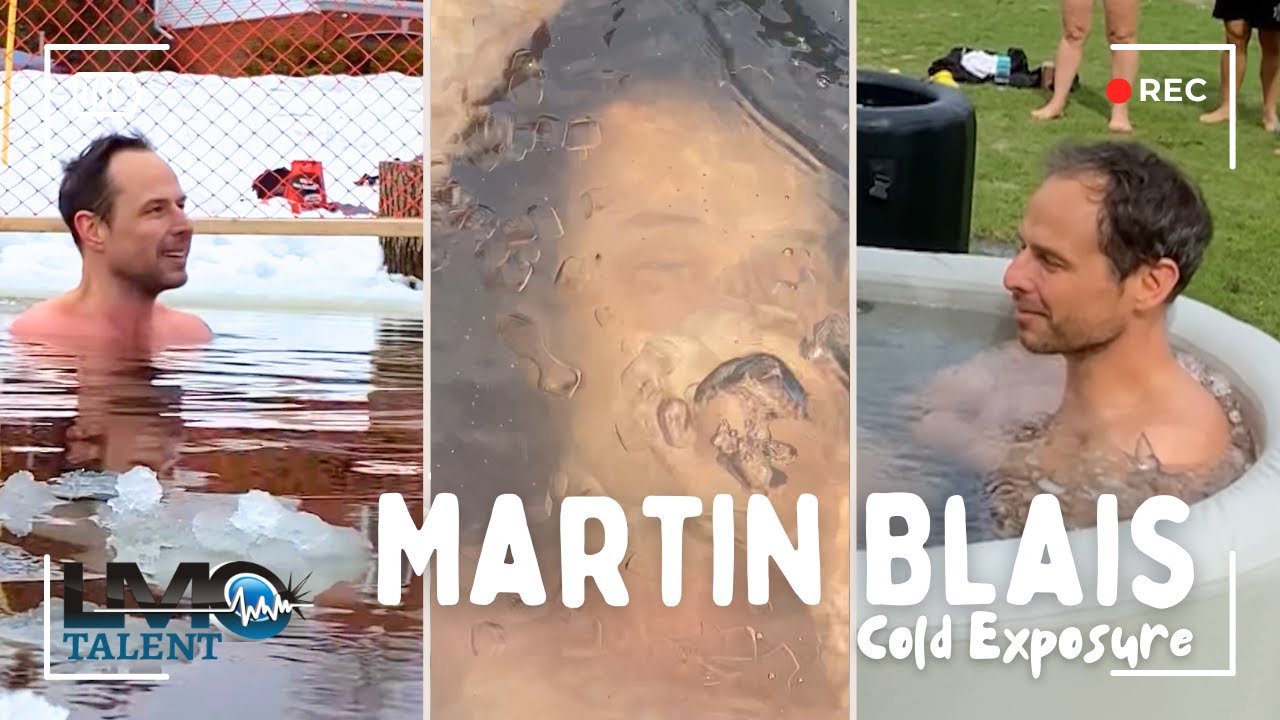
Watch my cold exposure demo on YouTube.
More from this Why I series
-
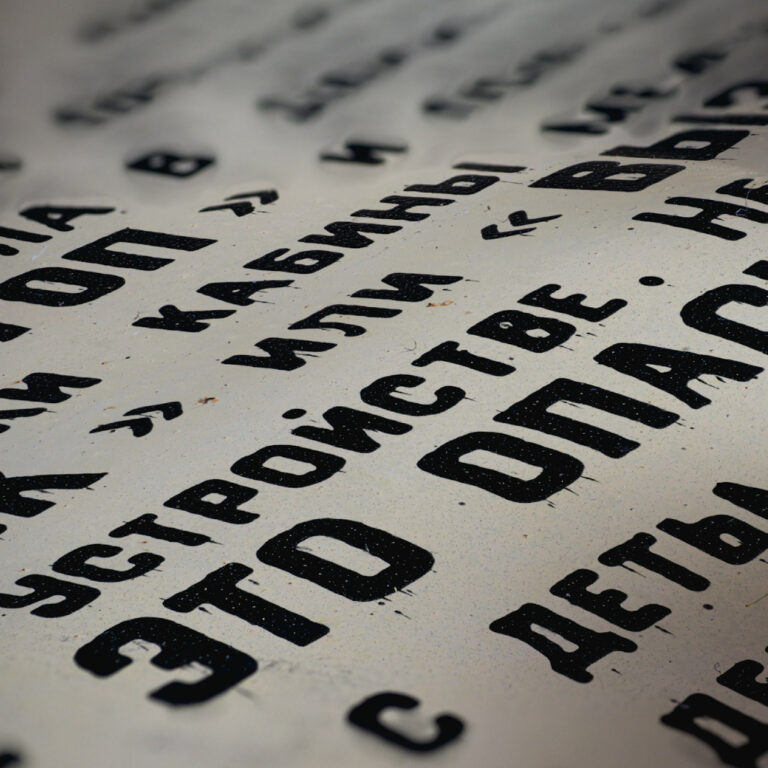
Why I Learn Russian: Expanding My Range, One Cyrillic Letter at a Time
I have always been attracted to disciplines that make me a beginner again. Russian does that very efficiently.…
-

Why I Practice Heart Coherence: Finding My Center Before the Work Begins
For several years, I have been building and refining what I call my Daily Morning Ritual. Nothing mystical…
-
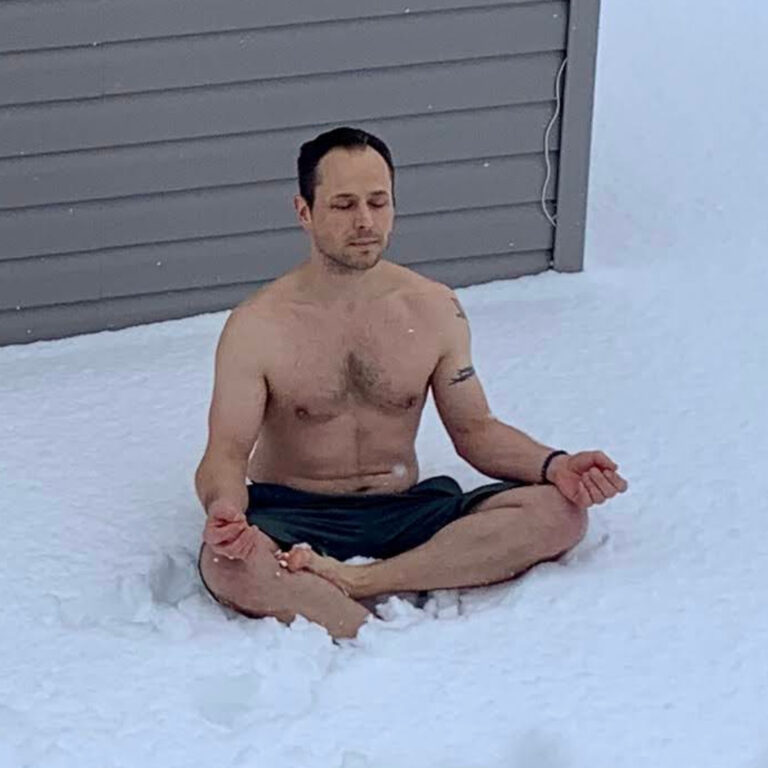
Why I Meditate: Finding Stillness in an Actor’s Whirlwind
As an actor, my mind is part of my instrument. It remembers the lines, constructs imaginary circumstances, anticipates…
-

Why I Fast: Flexibility Inside a 16:8 Rhythm
I fast intermittently not because I enjoy being hungry, and not because I think I have discovered a…
Further reading and listening
- Rich Roll Podcast, Wim Hof, “The Iceman”, a long-form conversation about the breath, cold exposure, mindset and the practice that first drew me in.
- PLOS ONE, systematic review of cold-water immersion and health and wellbeing, a useful recent look at what the broader evidence actually supports.
- American Heart Association, the risks of sudden cold-water immersion, a clear explanation of the cold-shock response and why gradual adaptation and caution matter.
- Wim Hof Method, FAQ and safety guidance, especially important for the rule that breathing exercises and breath holds do not belong in the water.
- British Journal of Sports Medicine / PubMed, cold-water immersion and recovery after exercise, background on one of the better-studied uses of cold immersion.