As an actor, my instrument is my whole self, body, mind, attention and whatever emotional weather happens to be moving through me that day.
For several years, I have been building and refining a morning routine that helps me check in with that instrument before the outside world starts making demands on it. It is not a productivity competition and it is not a collection of biohacks I have to complete perfectly. I think of it more as a daily tune-up.
Some mornings I do the complete ritual. Other mornings I shorten it, move pieces around or skip what does not make sense. The routine serves the day; the day does not serve the routine.
1. Wim Hof breathing: three to six rounds
I often begin with the breathing practice popularized by Wim Hof: repeated deep breaths followed by periods of breath retention. I first came to it because of the combination of physiology, concentration and deliberate discomfort.
What I notice most is the transition. I begin the morning in one state and, within a few rounds, I am unmistakably awake and attentive. That subjective effect is enough for me; I do not need to turn the method into a cure-all.
The safety rule is essential: I practise this seated or lying down in a safe place, never while driving, standing somewhere dangerous, or in or near water. Breath-retention practices can cause light-headedness or loss of consciousness. The breathing and the cold may belong to the same broader method, but they do not belong in the water together.
2. Heart coherence: ten minutes
The quietest part of my routine may be the one I use most often outside the routine itself. I begin with five minutes of gentle five-second inhalations and five-second exhalations. Then, on many mornings, I use a personal second cycle: a five-second inhale followed by a longer exhale with an open “Ooooooh” gradually closing into a hum, sometimes with gentle pelvic-floor engagement near the end.
Slow paced breathing can produce a more regular relationship between respiration and heart-rate variability. I experience it less as a technical measurement than as a sense of becoming less scattered. It gives me a baseline from which I can listen.
That matters in acting. Nervous energy can be useful; a narrowed field of attention is less useful. Breathing gives me somewhere physical to return when preparation starts turning into control.
3. Cold showers or ice baths: usually every other day
Cold exposure is not an everyday requirement for me. I often alternate days, and I treat that flexibility as part of the practice rather than a lack of discipline.
The first seconds of cold water create an immediate physiological response: a gasp, faster breathing and a strong desire to leave. Learning to meet that response without panic has become a very direct exercise in attention and judgment.
I notice alertness, a sense of accomplishment and a useful encounter with discomfort. I do not use the cold as a “detox,” and I am cautious about broad claims concerning immunity, disease prevention or universal mental-health benefits. The practice is demanding enough without mythology.
4. Vipassana meditation: ten minutes
I close the central part of the ritual with meditation. My relationship with Vipassana deepened during a ten-day retreat in Montebello in January 2020, but my ordinary morning practice is usually much less dramatic: ten minutes of sitting, noticing and returning.
The mind wanders. I notice. I return to breath or sensation. That repetition teaches me something I use constantly as an actor. Attention is not a state I achieve once; it is a relationship I keep renewing.
A scene asks the same thing. I prepare, I lose the moment, I notice, and I come back to the other person.
What these practices have in common
Breathwork, slow breathing, cold exposure and meditation can look like four unrelated activities. For me, the common thread is regulation through attention.
Each practice gives me a different kind of information. The breathing shows me how quickly physiology can shift. Heart coherence asks for regularity and softness. Cold exposure makes reaction impossible to ignore. Meditation reveals how much activity can exist inside apparent stillness.
Together they help me arrive at the day with more awareness of the instrument I am actually bringing into the room, not the one I wish I had brought.
The actor’s edge, without turning life into performance
The original version of this article called the result “the actor’s edge,” and I still understand what I meant. These practices can support focus, transitions, emotional regulation and the ability to stay present under pressure.
But I no longer want to frame every healthy practice as a way to become a more efficient performer. I also do them because I am a person before I am an actor. A morning can have value even when it produces nothing.
Ironically, that is probably part of why the ritual helps my work. It gives me a place where I do not have to audition for my own approval.
A ritual, not a superstition
I do not believe the day is ruined if I miss a component. Travel, early call times, illness, sleep and ordinary life all change the plan. The practices are tools, not commandments.
What matters is the underlying habit: before I ask my mind and body to perform, create, decide and respond, I spend a little time listening to them.
That is my morning tune-up. Not perfection. Preparation.
More from this Why I series
-
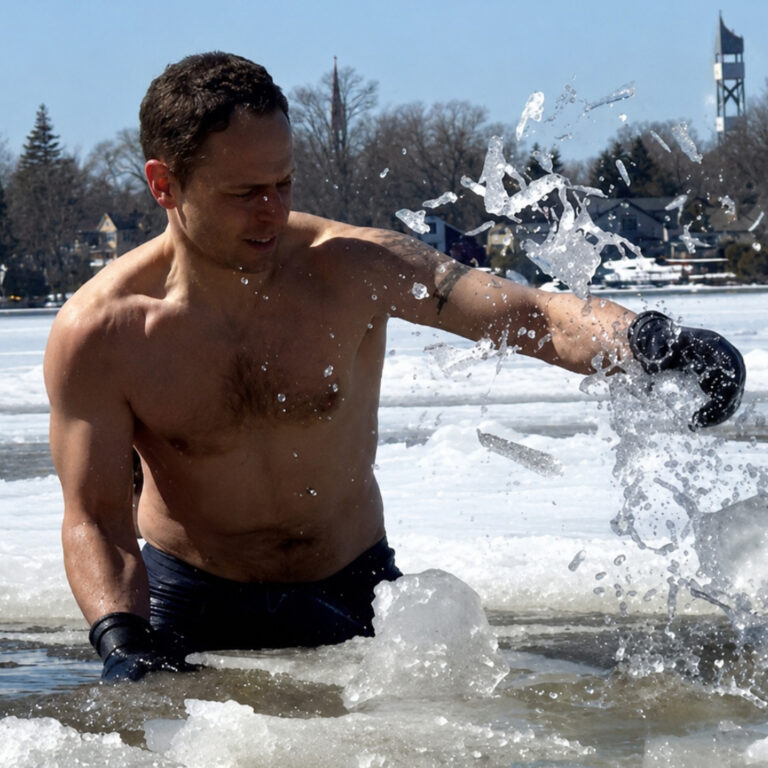
Why I Take Ice Baths: Choosing Discomfort with Respect
Stepping into cold water is still uncomfortable. If it ever becomes completely ordinary, I will probably have to…
-
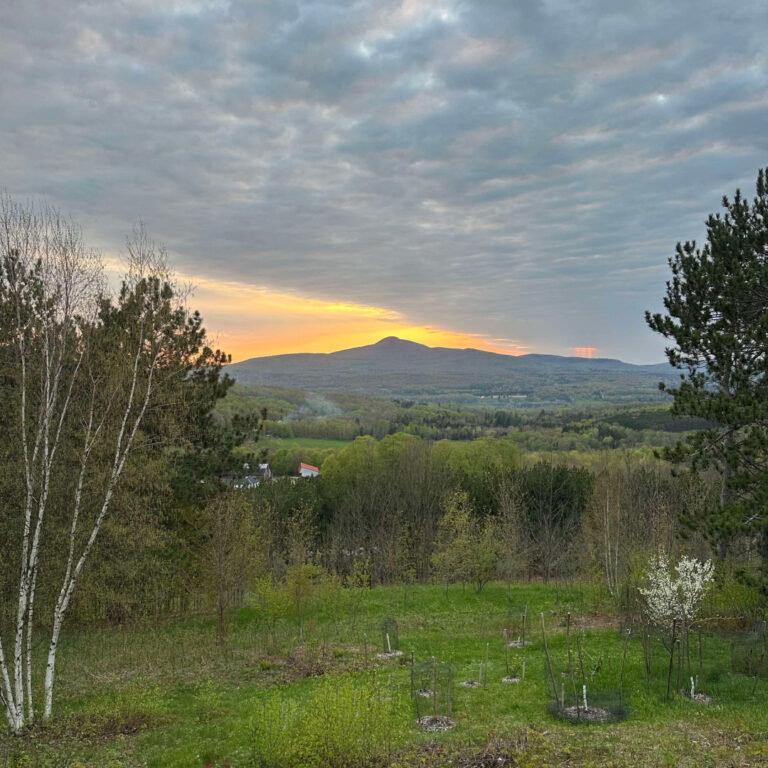
Why I Have a Daily Morning Routine: A Mind-Body Tune-Up for an Actor’s Life
As an actor, my instrument is my whole self, body, mind, attention and whatever emotional weather happens to…
-
Why I Practice Reiki: Presence, Compassion and an Open Question
Years ago, someone I had met earlier that day offered to send me Reiki remotely. Later that evening,…
-

Why I Fast: Flexibility Inside a 16:8 Rhythm
I fast intermittently not because I enjoy being hungry, and not because I think I have discovered a…
Further reading and listening
- Rich Roll, Optimize Your Morning Routine to Begin Your Day Right. A personal look at ritual, mindfulness, meditation, journaling and training without pretending there is one universal morning formula.
- Wim Hof Method, Practice the Method. An introduction to the breathing and cold practices that influenced part of my own routine, including important safety context.
- HeartMath Institute, Quick Coherence Technique for Adults. A concise introduction to heart-focused breathing and coherence practice.
- Vipassana Meditation, Dhamma Suttama. Information about the Quebec centre and ten-day Vipassana courses.
- Harvard Health, Meditation: a heartfelt habit. Useful context on making contemplative practice regular rather than heroic.